
Why Structural Steel Beams Matter in Modern Building Design

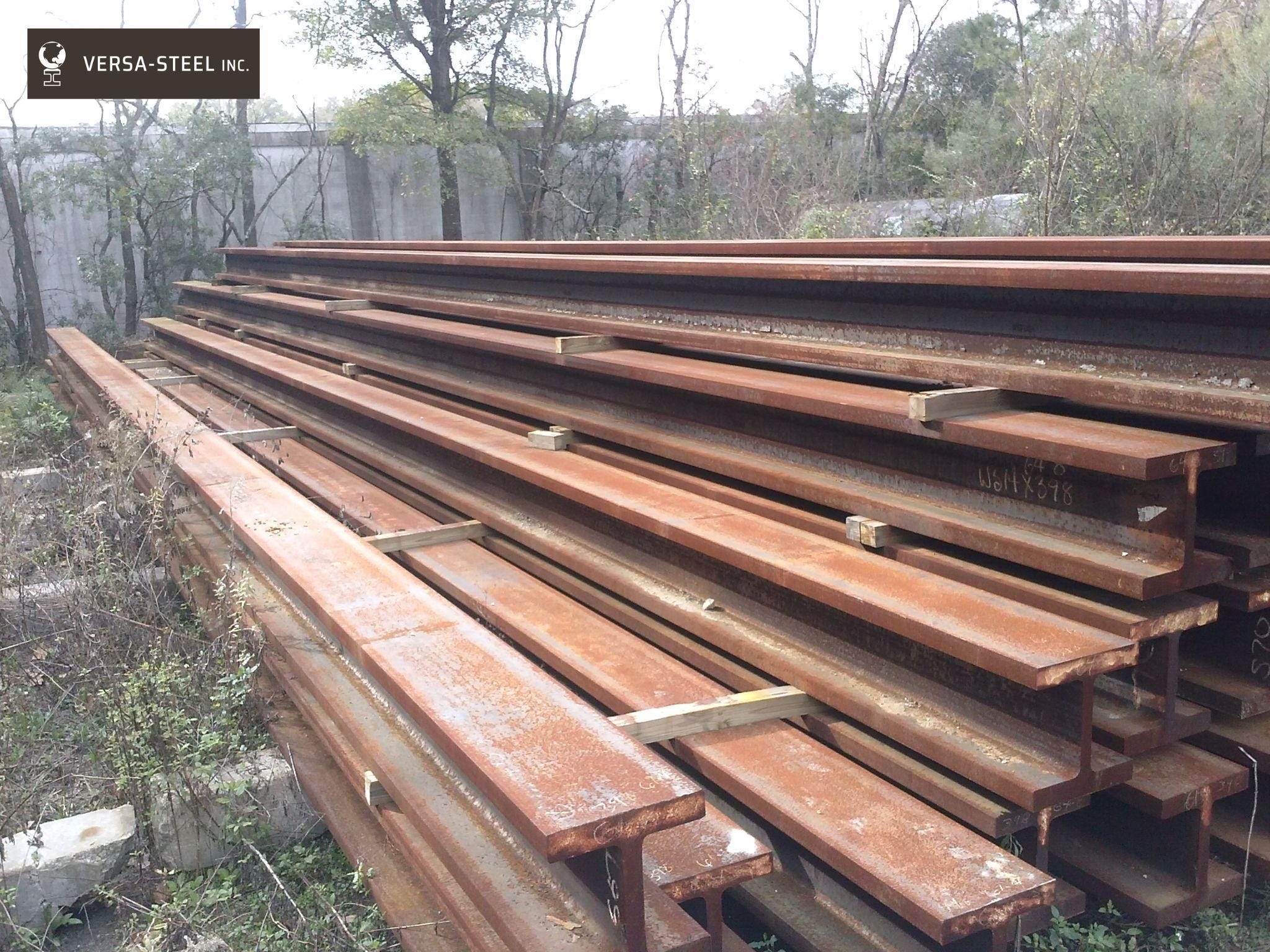
You notice it the moment a building feels solid under your feet. No strange creaks. No visible sag. That quiet confidence often comes from structural steel beams working behind the scenes. They don’t show off, but they carry everything. Floors, roofs, equipment, even future expansions. When construction decisions matter, this is where strength meets planning.
Builders and engineers rely on structural steel beams because they behave predictably. Steel doesn’t guess. It performs the same way every day, in heat, cold, and pressure. That reliability makes it a favorite for commercial buildings, warehouses, industrial facilities, and modern homes where open layouts are part of the vision.
How Structural Steel Beams Shape Safer Structures
Safety isn’t dramatic. It’s steady. Structural steel beams distribute weight evenly and reduce weak points in a structure. That balance keeps walls aligned and floors level over time. You see the benefit years later when doors still close properly and ceilings remain crack free.
Steel also resists fire better than many materials when properly treated. It won’t warp suddenly or collapse without warning. In areas facing heavy loads or seismic activity, structural steel beams give designers confidence. That peace of mind flows directly to you as the building owner.
Where Structural Steel Beams Fit Into Smart Planning
Planning a building isn’t just about today. It’s about growth. Structural steel beams allow longer spans, fewer columns, and flexible layouts. That means spaces can change without tearing everything apart. Offices can open up. Warehouses can adjust storage systems.
This flexibility saves money later. You avoid major structural changes because the original design already supports future needs. That’s a quiet advantage many projects appreciate only after a few years of use.
Foundation Steel Beams and Ground-Level Stability
At ground level, foundation steel beams play a critical role. They connect the structure to the earth and manage loads that shift over time. Soil moves. Weather changes. Buildings settle. Foundation steel beams help control that movement so it stays predictable.
You’ll notice fewer uneven floors and reduced stress on walls. This matters especially in commercial or industrial projects where heavy equipment adds constant pressure. Strong foundations support everything above, literally and financially.
Manufacturing Precision Behind Structural Steel Beams
Quality begins before installation. Structural steel beams are fabricated with tight tolerances, ensuring consistent performance. Precision cutting, drilling, and finishing reduces surprises on site. When components arrive ready, construction moves faster and safer.
This efficiency helps keep timelines on track. Delays cost money. Properly prepared structural steel beams reduce rework and keep crews focused on progress instead of corrections.
Why Structural Steel Beams Support Long-Term Value
Durability matters when budgets stretch over decades. Structural steel beams resist pests, rot, and moisture damage. Maintenance stays manageable. Inspections are straightforward. Repairs, when needed, are usually localized rather than structural.
Insurance providers often recognize this reliability too. Buildings supported by structural steel beams may qualify for better coverage terms due to lower risk profiles. That’s a benefit you don’t always expect but appreciate over time.
Conclusion: Structural Steel Beams as the Backbone of Construction
Every strong building has a quiet backbone. Structural steel beams provide that strength without demanding attention. From flexible layouts to dependable support and durable foundations with foundation steel beams, they shape buildings that last. When long-term performance matters, choosing steel becomes a decision you don’t second-guess.
What really stands out is how steel keeps working long after the construction noise fades. It handles weather shifts, daily loads, and future changes without drama. Renovations feel easier. Expansions feel possible. There’s comfort in knowing the structure won’t quietly weaken over time. You don’t see steel beams once walls go up, but you feel their presence every day. Floors stay level. Spaces stay open. Confidence settles in. For builders and owners alike, that reliability removes a lot of doubt and replaces it with something better.