
Why Percutaneous Coronary Interventions Are Advancing Cardiac Care

You see it every day in the cath lab. A blocked artery, a narrowing that refuses to yield, a patient depending on precision and speed. Percutaneous Coronary Interventions have reshaped how coronary artery disease is treated, offering minimally invasive solutions that restore blood flow and reduce recovery time. From routine lesions to complex occlusions, these procedures demand tools and techniques that perform consistently under pressure. When technology aligns with clinical skill, outcomes improve, and confidence follows.
Understanding the Role of Percutaneous Coronary Interventions
At the core of modern cardiology, Percutaneous Coronary Interventions allow you to treat coronary blockages without open surgery. Using catheter-based access, you navigate complex vascular pathways with accuracy and control. This approach minimizes trauma while maximizing therapeutic impact. For patients, it means shorter hospital stays and quicker returns to daily life. For you, it means relying on devices engineered to respond precisely when margins are tight, and decisions matter most.
Why Device Design Matters in Percutaneous Coronary Interventions
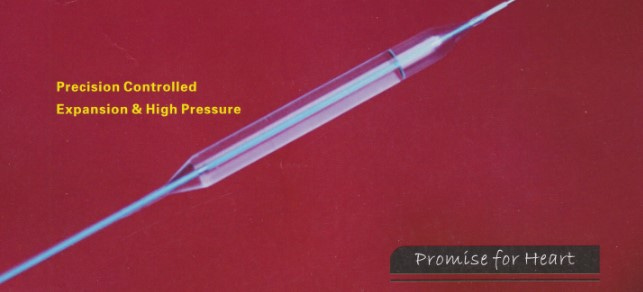
Every step of Percutaneous Coronary Interventions depends on device performance. Balloon compliance, trackability, and pressure response all influence procedural success. When navigating calcified or resistant lesions, consistent balloon behavior becomes critical. Thoughtful engineering supports smooth advancement and controlled dilation, reducing uncertainty during high-stakes moments. Devices designed with clinician feedback in mind help you maintain focus on anatomy and strategy rather than equipment limitations.
Addressing Complex Lesions with Confidence
Challenging cases often define your day. Chronic occlusions, tortuous vessels, and tight stenoses require specialized solutions. Chronic Total Occlusion Balloon Catheters play an important role in addressing these complexities. Designed for controlled expansion and durability, they support careful lesion preparation without compromising vessel integrity. When paired with refined techniques, these tools help expand treatment options for patients who once had limited choices.
Precision and Control During Every Step
Control is everything during Percutaneous Coronary Interventions. From initial access to final deployment, each movement must feel intentional. Balloon catheters engineered for predictability allow you to adjust inflation gradually and respond to resistance in real time. This level of responsiveness supports safer dilation and better stent placement. When devices behave as expected, you can focus fully on patient anatomy and procedural flow.
Supporting Efficiency in the Cath Lab
Time matters, not just for outcomes, but for workflow. Efficient Percutaneous Coronary Interventions rely on devices that reduce unnecessary exchanges and delays. Catheters that track smoothly and perform consistently help streamline procedures. This efficiency benefits the entire team, from setup to completion. Clear labeling, reliable performance, and intuitive handling all contribute to smoother cases and fewer interruptions.
Consistency Across Patient Profiles
No two patients present the same way. Vessel size, lesion length, and plaque composition vary widely. Percutaneous Coronary Interventions demand tools that adapt across this spectrum. Balloon catheters designed for versatility support a wide range of clinical scenarios. This adaptability allows you to approach each case with confidence, knowing your equipment can handle variation without compromising results.
Advancing Outcomes Through Thoughtful Innovation
Innovation in Percutaneous Coronary Interventions is not about complexity; it is about refinement. Small improvements in materials, profiles, and performance can translate into meaningful clinical gains. Devices built with attention to detail support better lesion crossing, controlled dilation, and reduced complication risk. When innovation is grounded in real procedural needs, it enhances both safety and effectiveness.
Building Trust Through Reliable Performance
Trust develops when devices perform consistently, case after case. In Percutaneous Coronary Interventions, reliability supports decision-making and reduces cognitive load. You know how the balloon will respond, how it will track, and how it will inflate. This predictability allows you to work efficiently, even in demanding situations, while maintaining high standards of care.
Conclusion
As cardiac care continues to evolve, Percutaneous Coronary Interventions remain central to effective coronary treatment. Success depends on a balance of skill, strategy, and dependable technology. With devices designed for precision, control, and adaptability, you are better equipped to manage both routine and complex cases. From standard lesions to the use of Chronic Total Occlusion Balloon Catheters, the right tools support confident decisions and improved patient outcomes, reinforcing the value of thoughtful innovation in every procedure.