
Construction Defects Termite: What Homeowners Need to Know

Construction defects can cause serious damage to homes and commercial buildings, especially when they create conditions that invite termites, moisture, and decay. Issues like Construction defects termite damage, Construction defects wood rot, and Construction defects decay fungi often go unnoticed until they become costly repairs.
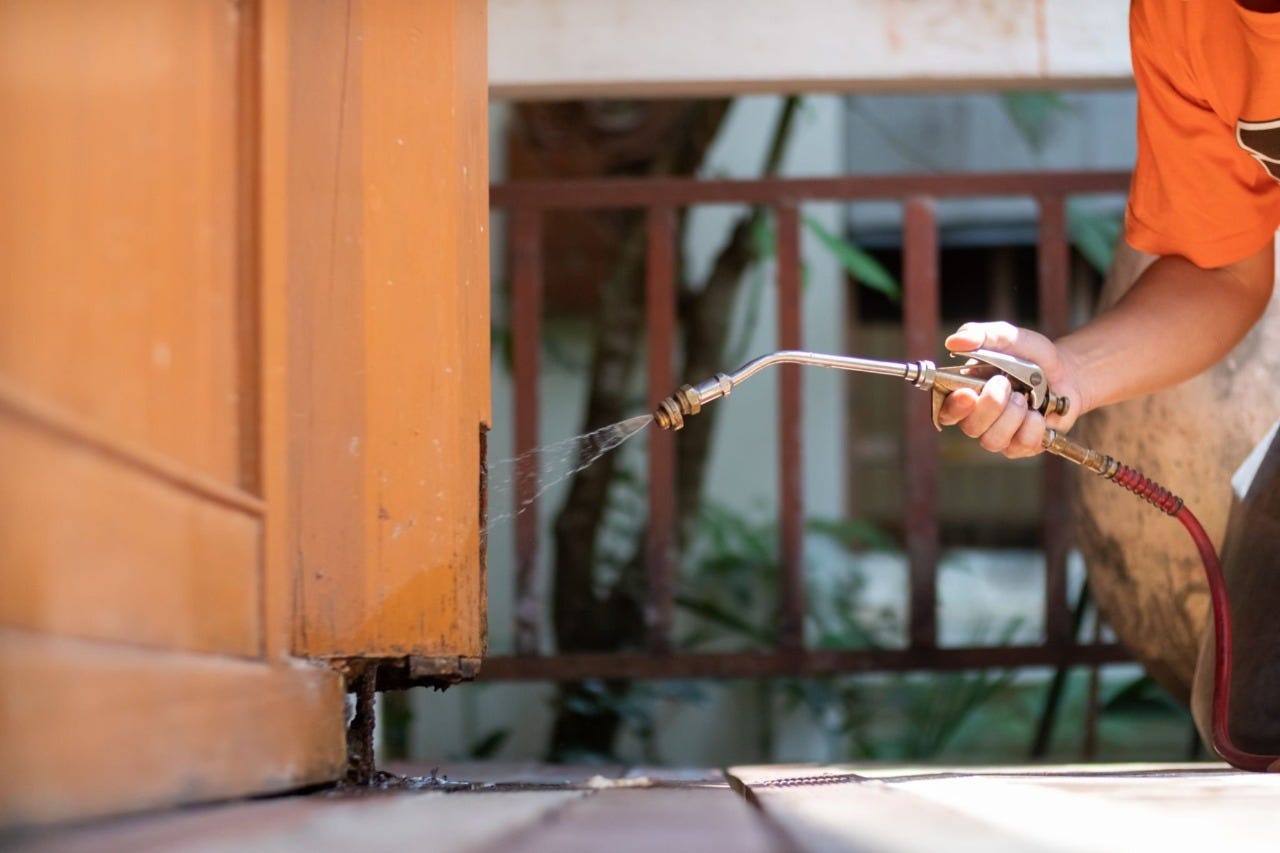
In this guide, we’ll break down the causes, warning signs, and prevention strategies to help you protect your property and understand when to seek professional evaluation.
How Construction Defects Lead to Termite Problems
Poor construction practices can unintentionally create the perfect environment for termites. These destructive pests need moisture, wood contact, and hidden entry points — all of which can result from building flaws.
Common Construction Defects That Attract Termites
Improper grading causing water to collect near the foundation
Wood-to-soil contact around decks, siding, or structural posts
Unsealed cracks or gaps in foundations or joints
Faulty flashing that allows moisture intrusion
Poor ventilation in crawl spaces or wall cavities
When these defects exist, termites gain easy access to wooden structures, leading to extensive construction defects termite damage.
Construction Defects Wood Rot: A Hidden and Costly Issue
While termites eat wood, wood rot results from prolonged moisture exposure. Construction defects such as leaking roofs, unsealed windows, or improper caulking can trap moisture inside walls and structural elements.
Types of Wood Rot Caused by Construction Defects
Dry Rot – Despite the name, it thrives in moist conditions and spreads rapidly.
Wet Rot – Occurs in areas with persistent dampness or water intrusion.
Structural Rot – Weakens beams, joists, siding, and decking.
Signs of Wood Rot
Soft, spongy, or crumbling wood
Musty odor
Darkened or discolored areas
Peeling paint or bubbling finishes
Left untreated, construction defects wood rot can compromise structural integrity, leading to expensive repairs or replacements.
Understanding Construction Defects Decay Fungi
Decay fungi are organisms that feed on damp, moist wood. Construction defects often hold moisture in hidden spaces, allowing fungi to grow and spread.
How Decay Fungi Develop
Moisture intrusion from leaks
Poor ventilation
Faulty insulation
Improper flashing
Incorrect installation of exterior cladding
Common Types of Decay Fungi
Brown rot – Wood shrinks and cracks into cube-like patterns.
White rot – Wood becomes fibrous and spongy.
Soft rot – Slow-growing but still damaging over time.
If moisture levels remain high, construction defects decay fungi will continue spreading, impacting both wood durability and air quality inside the building.
Why These Construction Defects Are So Dangerous
Termite damage, wood rot, and decay fungi often remain hidden behind walls, floors, or exterior surfaces. By the time visible signs appear, significant structural compromise may already exist.
Potential Risks Include:
Weakened load-bearing elements
Sagging floors or ceilings
Mold and mildew growth
Expensive repairs
Reduced property value
Safety hazards
Because these issues often overlap (for example, moisture defects causing both wood rot and termite infestations), early detection is essential.
How to Prevent Construction Defect-Related Damage
Proactive maintenance and early inspections are the best defense against termites, wood rot, and decay fungi.
Prevention Tips
Ensure proper grading to drain water away from the building
Seal cracks, gaps, and wood-to-ground contact
Install or repair flashing around windows, doors, and roofs
Improve ventilation in crawl spaces and attics
Apply protective wood treatments
Schedule annual termite and moisture inspections
Fix leaks immediately
Hiring a professional inspector can help identify construction defects before they turn into major problems.
When to Call a Construction Defect Specialist
If you notice signs of construction defects termite damage, wood rot, or decay fungi, it’s crucial to seek expert help. A specialist can identify the root cause, assess structural damage, and recommend long-term solutions.
You should call an expert if:
Wood feels soft or crumbly
You see termite tubes or droppings
Moisture stains appear on walls or ceilings
You detect a persistent musty odor
The structure shows signs of sagging or warping
Early intervention can save thousands in repairs and protect your property’s safety and value.
Conclusion: Protect Your Home from Hidden Construction Defects
Construction defects related to termites, wood rot, and decay fungi can lead to serious long-term damage. By understanding the causes and watching for early warning signs, homeowners can respond quickly and prevent extensive repairs.
If you suspect any of these issues, don’t wait. Contact a qualified construction defect specialist today to inspect, diagnose, and protect your property.